By Jazzy Nova
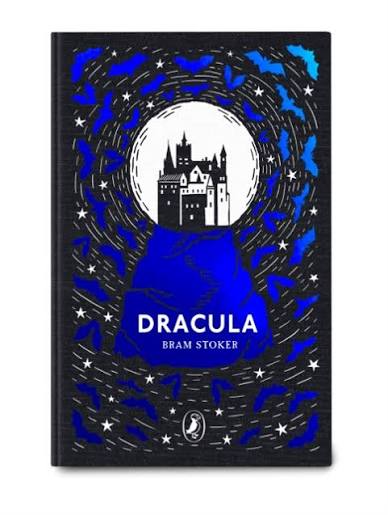
Dracula Bram Stoker
Kids
Imagine travelling far away from home to visit a mysterious castle in the mountains. It is creepy and it’s old and there seems to be a shadow looming over the castle. People are terrified and silent and the name Dracula seems to scare them out of their wits. Would you carry on travelling? That’s exactly what happens to Jonathan Harker in Dracula. Jonathan Hawkeye is a young young English solicitor who travels to Transylvania a region in eastern Europe note to visit a no woman called Dracula. Jonathan is innocent and thinks he’s simply gonna help the count with some business, but he has no idea what his journey will turn into. When Jonathan arrives at Dracula‘s enormous castle, everything seems weird and strange. The county is polite and mysterious but there’s something about him that Jonathan feels uncomfortable with. The castle is full of secrets and Jonathan gradually begins to realise that his host is no ordinary human. Jonathan discovers that Dracula is a vampire. As Jonathan tries to understand what is happening, he finds himself in a dangerous life-threatening situation Soon a group of people must work together to understand the mysterious events and find a way to stop the count. But Dracula is clever, powerful and very extremely dangerous. Can they uncover his secrets before it’s too late? You have to read the book to discover what happens.
What makes Dracula such a good story.
Killer cast is a perfect place for a horror story. It is isolated mysterious and full of sequences. The dark corridors in strange atmosphere make you wonder what might be hiding around the corner. This helps the setting creates suspense before anything frightening happens. Instead of telling the whole entire story through one narrator, Bra Stoker uses diaries, letters, newspaper reports and other documents.This means The reader likes pieces of information and can fit them together like a puzzle. Sometimes, you know something one character doesn’t, which makes us so suspense even better. Dracula is frightening because he is mysterious. You do not know what he can do what he was or how he will behave. A good villain make we just want to keep turning the pages and Dracula has become one of the most famous villains in literature. Actors cannot rely in one person to tell anything that is almost impossible. Things to share information, investigate clues and work together. Is their experience to show how courage does not necessarily mean having no fear. Sometimes courage means continues going to do what is right even if you’re fighting. These characters show bravery teamwork and all trust and rely on each other. My favourite thing about Dracula is the mystery at the beginning John Harker‘s visit seems like it’s a normal business trip but little while little you realise it’s something terribly wrong. I like how Bram Stoker doesn’t explain everything immediately. It says he gives the readers’s clue and lets the mystery Guy. This makes up a story if you’re like a puzzle that needs something. I also like the way that the characters react differently to danger. Characters investigate, some trying to understand what is happening and others I have to find the courage to face something they’ve never believed could exist. The setting is another highlight. A castle surrounded by mountains, strange visitors and dark secrets is exactly the place that makes a scary story memorable. Of course there’s Dracula himself as well. He is one of those villains whose name you recognise even if you never read the book. Even though Dracula is famous, that does doesn’t mean that every part of it is perfect for every week. First the book was written in the 19th century the language can feel old-fashioned and some sentences are long and complicated. You might need to research some paragraphs twice to understand them. Luckily nowadays, you can find books that are suitable for your age and our understandable. The story takes time some chapters focus on description, letters, and the character sports rather than constant action and fun. If you prefer fast paced adventures where something exciting happens on every page you might find parts of the novel slow. Third it’s a horror story and some scenes aren’t exactly very nice to read. Readers who dislike farting stories or horror stories may not enjoy as much as as people who do enjoy those stories. I recommend these books to 9 to 16-year-olds but it varies depending on which type and book you’re reading. Would you dare to spend a night in Dracula‘s castle?
Parents
Author Bram Stoker original publication 1897 reading level challenging content Gothic horror or recommendation. The novel is best considered for mature confident readers who enjoy classic literature and can handle frightening material. A child friendly adaptation might be a better option for younger readers. There is no single age of which Dracula becomes suitable for every child. Reading ability, emotional maturity, personal interest and sensitivity to horror all matter. A confident 12-year-old who enjoys spooky stories may respond very differently from her child the same age he finds monsters and frightening scenes distressing. It is also important to distinguish the original novel from adaptations. Illustrated and additions and retailing can remove or self material simplify language and make the story more accessible. to check the particular addition rather than every book titled Dracula contains the same material. One of the strongest reasons to consider Dracula is that it can offer much more than a frightening story. When approached that the right level it provides opportunity to develop reading, reasoning and discussion skills. The novel introduces readers to older English vocabulary, formal expressions and the descriptive writing style of the Victorian period. Children had learned to use context clues, look up unfamiliar words and compare historical writing with modern language. Try asking what do you think this word means from the sentence around it? How would you say the same thing today? The Dorian letter format means the readers need to connect the information from different sources, identify clues and work out what might be happening. This is a useful opportunity to discuss the difference between effect a characters belief and a readers interpretation. Novel offers a window into Victorian writing and the Gothic tradition. Children can explore how authors use setting, suspense, symbolism and supernatural elements to express ideas and fears. It can also be a starting point for exploring how vampire stories have changed overtime. Reading a classic does not mean handing a child a long book They expecting them to understand everything independently. With a little support,the experience can become a shared activity that develops curiosity rather than frustration. Choose the right adaptation that matches your child’s. Hitting ability and comfort with frightening stories. Read the publishers description and where possible preview a few pages. Take time of reading or listen to an audiobook alongside the text. Pause when something is confusing and explain a historical vocabulary without interrupting the story too often. Encourage your child to collect clues and make predictions. Ask them what they think Dracula is hiding and which detailed support their theory. Discuss which parts were a frightening and why the characters acted as they did and what might have done differently. If you child becomes too stressed, there is no need to push them to continue.


Leave a Reply